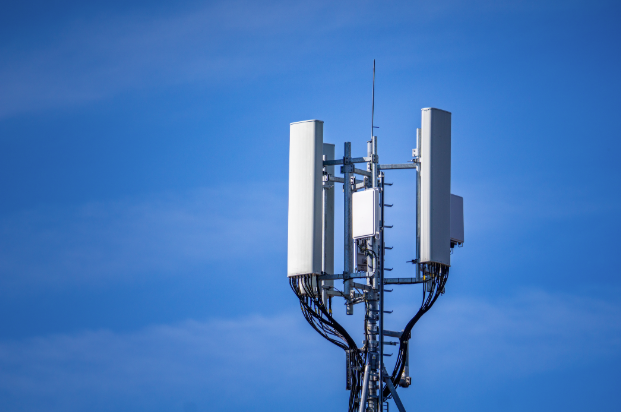
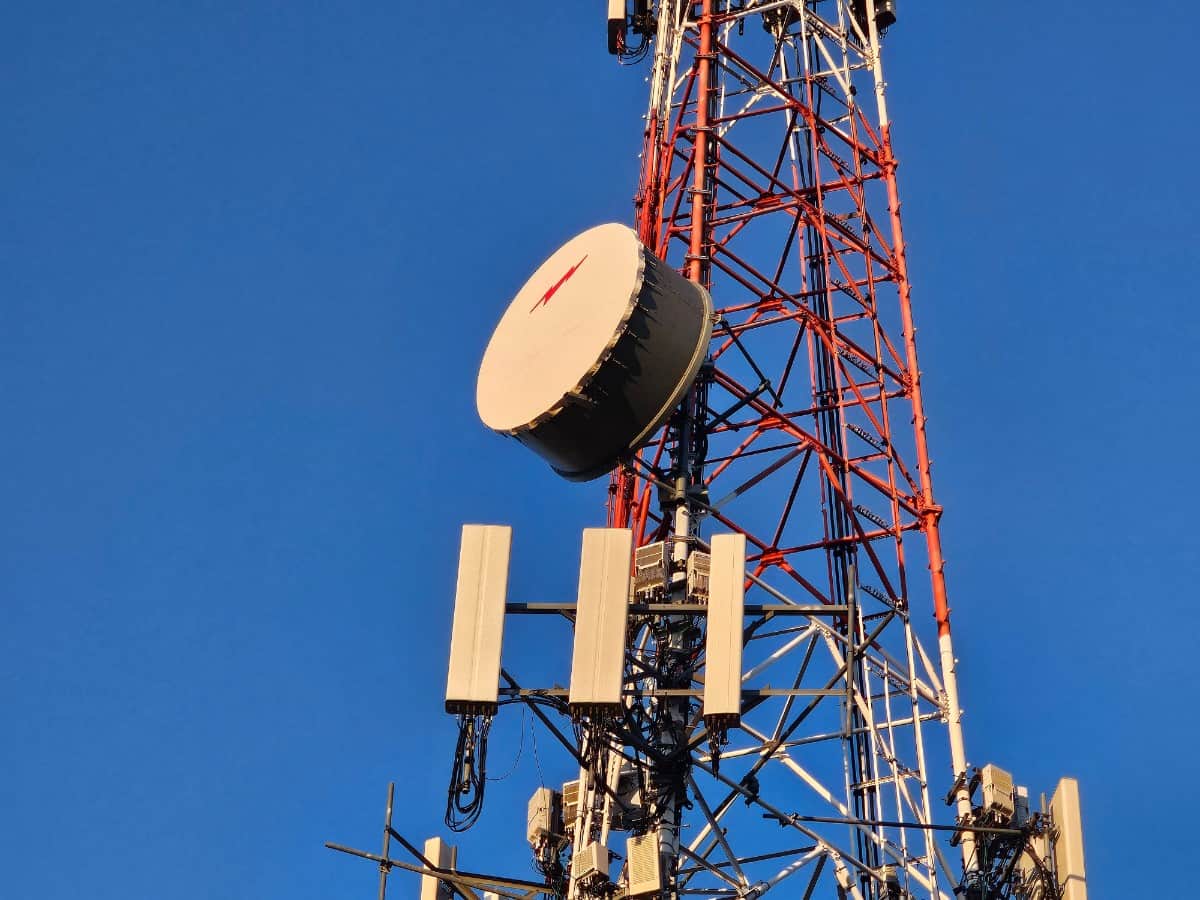
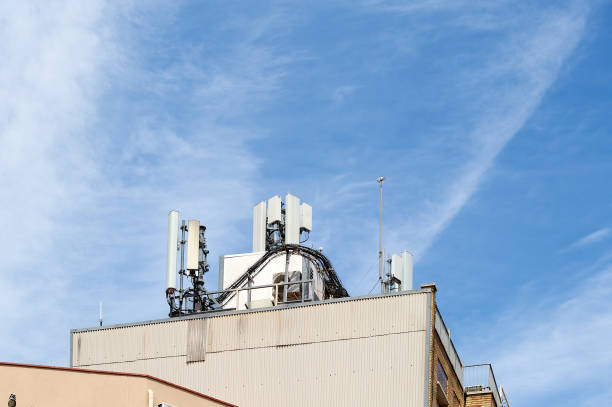
To get the best cell tower land lease and rooftop antenna rates for your property, the expertise of Nexus Towers consultants can be your secret weapon.
With rising inflation across most sectors, it may be surprising to learn that lease amendments rates have declined. However, unlike average house rentals and mortgages, there is not as much data available for cell tower lease rates nationwide. As a result, owners of both commercial and residential real estate may wonder what to expect when acquiring or selling a cell tower lease. Fortunately, cell tower consultants like Nexus Towers have extensive knowledge and market research to help get you the best possible rates and structure the best deal for you whether it be a lease buyout or acquisition!
In any case, you probably have a lot of questions about cell tower lease rates in 2025 and beyond. For example, where can you find cell tower lease rate data? How can a consultant or broker help you get the best deal on a cell tower lease acquisition or buyout? Finally, how are cell tower lease rates calculated? In today’s guide, we will answer all of these questions and more, so let’s get started!
Key Factors That Influence Your Lease Rate
It probably goes without saying that there are many, many factors to consider when it comes to cell tower lease rates. However, it is important to understand some of the primary factors that affect the price of cell tower leases. This way, you can enter a potential deal with as much information as possible.
Location
The location of your land or rooftop space is by far the most important factor when calculating cell tower lease rates. Why? Because your location will determine how much demand wireless carriers have for service in the area, as well as the availability of other spaces (i.e. your competition). If there is high demand and few or no other spaces, you can probably negotiate a higher lease rate. Alternatively, if the demand is not so high and there are other potential areas to install cell towers in your area, you will likely get a much lower rate.
Wireless Carrier
No wireless carrier will tell you exactly how they calculate their own rates, as they prefer that you go into potential negotiations with as little information as possible. This way, they can give you a low-ball offer and get use of your land or rooftop for a fraction of its true wireless carrier lease value. Additionally, some wireless carriers have larger consumer bases and service greater areas than others. Bigger companies will likely command higher rates, while local providers will have limited budgets. The type of cell towers and antennas installed can vary from one provider to another, which can also have an effect on the final lease rate. This can make it very difficult to understand the difference between Verizon rooftop lease rates, T-Mobile rooftop lease rates, or AT&T rooftop lease rates.
Square Footage
When you lease land to a wireless carrier, the contract specifies exactly how much space can be used for the cell towers and antennas, however, when you lease rooftop space the square footage specified in the lease merely represents the equipment cabinets or the platform area that hosts the cabinets. Only the drawings will show you the actual occupied usage which includes the antennas, mounts and cables on your roof. Naturally, the more space you lease to the carrier, the higher the lease rate (generally speaking). However, this does not mean that you should lease away half of your property just to get a higher square footage pricing. Moreover, most carriers will only lease the minimum amount of space needed to install and maintain their towers. Therefore, while square footage does affect the lease rate, trying to leverage square footage to get a better rate is not always the best option as you may be unknowingly giving away expansion rights.
Expansion Rights
In many cases, wireless carriers will eventually need to install more antennas or add additional equipment space for new subtenants co-located on their tower. When specifying the square footage in your lease, you want to ensure that you do not give away expansion rights. The reason for this is that when a carrier wants to add additional equipment, and therefore take more square footage, you the landlord should be compensated. Future upgrades and expansions can affect your rates, as long as it is written in the lease agreement that the rate can be increased based on these factors. This gives you the opportunity to negotiate a higher price, as you are allowing the cell tower company to put even more equipment on your land.
Local Ordinances
While this is related to your location, the laws dictating what you can and cannot have on your land can determine how much you could potentially get from a cell tower lease. For example, if a wireless carrier is only able to install one antenna with a relatively small range on your rooftop, they will pay very little for the lease. On the other hand, if the local ordinances are relatively lax, a wireless carrier may be able to install better equipment that can meet higher demand in the area. Again, the ratio of demand to land availability is one of the biggest factors, so learning about local ordinances and how they affect your ability to take advantage of high demand in your area is extremely important.
Residential vs. Commercial Zoning
The type of land you own (residential vs. commercial) can have a substantial impact on the lease rate. Generally, wireless carriers prefer to put their towers in commercial zones. It is easier to zone these types of areas and often allows towers to reach more people in densely populated areas. However, you can still get a good rate for a residential rooftop cell tower lease, as long as the location and zoning impact allow you to do so.
Why Lease Rates Are Hard to Compare
Now that you know some of the most important factors that go into rooftop lease valuation, it’s time to discuss the actual data. Unfortunately, cell tower lease rates are not made public. There is no central database that collects all the lease rates nationwide or even the data in a given state or region. Thus, it is very difficult to give an exact number or “average” cell tower lease rate, especially when rates can vary widely for two locations in close proximity to one another. For example, you may have one cell tower that pays $100 per month to the landowners, and just a few blocks down the road, another cell tower that pays out $5,000 per month to the landowners. There also can be significant differences between commercial vs. residential leases.
For this reason, individuals who are interested in leasing their land to a wireless carrier or even looking for a lease buyout often contact consultants or brokers. Cell tower consultants and brokers have collected private data based on their existing clients and knowledge of the market. This way, you don’t need to do any guess work when trying to find the real value of your property during a cell tower lease negotiation or buyout. Nexus Towers brings a considerable amount of market insight as well as proprietary data sources to ensure the best overall results. Nationwide Nexus Tower has the largest number of privately owned leases in their database. This is a key factor to the Buyers and why Nexus Towers achieves the highest lumpsum buyouts from their bidding process.
Lump-Sum Buyout vs. Long-Term Rent
Another important consideration for property owners is whether they should continue with a long-term cell tower contract or accept a one-time lump-sum buyout. Each approach comes with its own pros and cons, and the right choice will come down to your specific circumstances and objectives.
A cell tower lease buyout can provide property owners with an immediate lump-sum payment, giving fast access to capital for debt reduction, reinvestment, or other financial goals. However, a cell tower lease buyout also means giving up ongoing rental income, which may impact your long-term cash flow and debt service coverage. However, even more disruptive would be a cell tower lease termination or tower decommissioning which can create serious financial challenges. In addition, a cell tower lease buyout has tax implications, but options such as CRUTs, 1031 exchanges, or structuring the deal as an easement versus an assignment of lease may reduce the tax burden. Working with the experts at Nexus Towers, we connect property owners with qualified buyers, so you and your accountant have the clarity and flexibility to make the best decision for your financial future needed to maximize cell tower lease value and secure long-term financial stability.
Why Property Owners Choose Nexus Towers
You should never negotiate a cell tower lease rate on your own. While hiring a lawyer may seem like enough, attorneys often lack the specialized data and industry knowledge needed to secure the best cell tower lease rates and business terms. That’s why working with an experienced cell tower lease consultant is critical. A consultant can help you maximize your lease value while protecting your property rights, whether it’s preserving expansion rights, properly structuring real estate tax provisions, maintaining control over lease transfers, or avoiding long-term lease risks. Nexus Towers is a trusted cell tower consulting firm, providing complimentary lease guidance to property owners in more than 25 states, and we are backed by numerous 5-star reviews. Unlike brokers or buyers, we don’t take a cut or push one-sided deals; we are 100% focused on helping property owners achieve the best possible results in their cell tower lease negotiations.
Start With a Lease Rate Review Today
Expert consulting is critical before signing or renewing a cell tower rooftop lease. Rates can vary wildly and property owners need guidance to secure the best deals. If you’re interested in getting the most from your lease, be sure to contact the experts at Nexus Towers today!