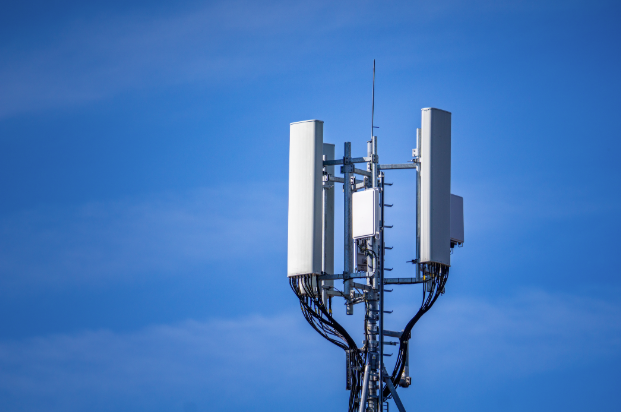
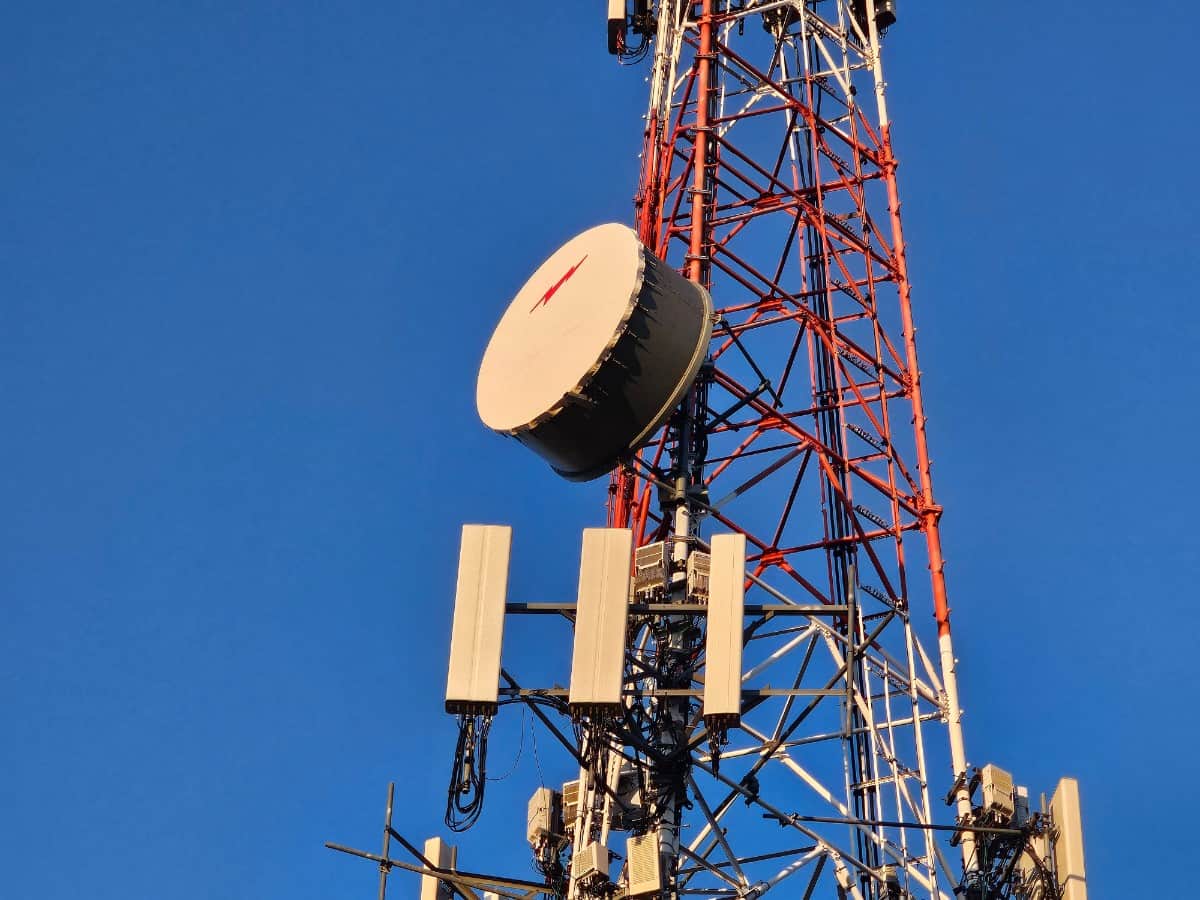
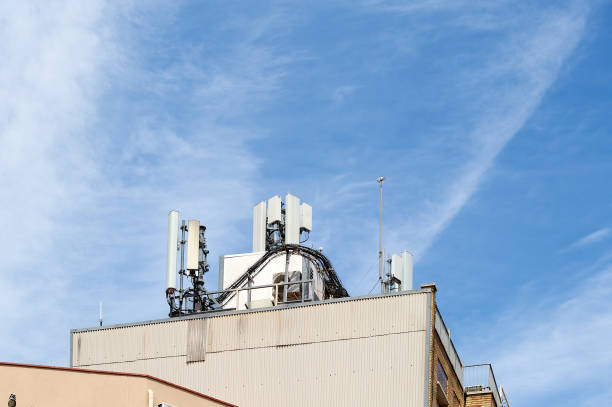
In the fast-changing world of telecommunications, a groundbreaking partnership between T-Mobile and Starlink is poised to reshape mobile connectivity—and potentially, the value of cell tower infrastructure. In April 2025 Amazon launched 27 satellites. It seems inevitable that Direct-to-Cell satellite service is coming, allowing mobile devices to connect directly to satellites, bypassing traditional rooftop and ground cell towers.
At Nexus Towers, we’re closely monitoring this shift and what it could mean for property owners like you.
What Is Direct-to-Cell Service?
Direct-to-Cell is an innovative mobile connectivity service that uses low-Earth orbit satellites to enable phone calls, text messaging, and internet access without relying on ground-based cell towers. The service gained momentum after Hurricane Helen highlighted the vulnerability of traditional infrastructure, leaving large areas in the Carolinas without mobile access.
To address this, the FCC authorized T-Mobile and Starlink to provide satellite-based mobile services directly to devices. As a result, coverage can now reach remote and disaster-stricken areas that are traditionally underserved by conventional towers.
What This Means for Cell Tower Infrastructure
For property owners, the potential impacts include:
This technology could significantly shift how mobile networks operate. As satellite connectivity becomes more viable, the demand for traditional cell towers—particularly in rural or low-density areas—may decline.
- Reduced Need for New Towers: As coverage via satellite grows, some regions may see less demand for installing new ground or rooftop towers.
- Changing Lease Dynamics: Existing tower leases could face renegotiation or lower renewal rates if carriers shift investment toward satellite services.
- New Opportunities: While traditional towers may decline in certain areas, property owners could find new value in leasing space for satellite-related infrastructure, like ground stations or edge computing hubs.
This transition is still in early stages, but the direction is clear: satellite technology is becoming a key component of the mobile ecosystem.
Industry-Wide Momentum
T-Mobile’s collaboration with Starlink is just the beginning. Competitors like AT&T, Verizon, and even Amazon (which recently launched 27 operational satellites to provide internet to remote and underserved areas could be poised to support its Boost Infinite service) are pursuing similar satellite ventures. As adoption increases, traditional infrastructure may need to evolve to remain relevant.
What Should Cell Tower Owners Do Now?
If you own a cell tower, this shift doesn’t mean your asset will become obsolete overnight. However, it’s smart to:
- Stay informed about satellite developments and how they may influence lease values.
- Review your lease terms to understand your flexibility and exposure.
- Explore repurposing or buyout options while the market is strong.
How Nexus Towers Can Help
At Nexus Towers, we specialize in helping property owners navigate the evolving telecom landscape. Whether you’re evaluating lease buyouts, or would like to receive a FREE Lease Valuation, or in the process of negotiating new terms and would like a FREE cell tower lease analysis, or merely assessing the impact of satellite technology on your property, our team offers expert Telecom guidance tailored to your situation.
Stay Ahead with Nexus Towers
The telecom industry is evolving quickly—and informed property owners will be best positioned to adapt. If you have questions about how T-Mobile’s Direct-to-Cell service or other satellite developments could affect your tower, contact Nexus Towers today. We’re here to help you protect and maximize your investment.